
NCI Participates in Trade Mission to Morocco
Supporting the mission of the Northern Crops Institute and expanding markets for northern-grown crops, NCI Director, David Boehm, participated in a recent trade mission to Morocco. Organized by the North Dakota Department of Agriculture and the ND Trade Office, the mission included six ND businesses and the NCI, and met with various US trade representatives, regulatory agencies, and food companies during the April 13-18, 2026 mission.
According to Boehm, “Morocco is an important US market, and has a unique place in US trade history as the first nation to recognize an independent United States in 1777 and sign the first trade agreement with the new country.” On the first day, the group met with representatives from the US Foreign Ag Service and US Commerce Department. Morocco today is a large importer of chickpeas, lentils, dry beans, durum wheat, corn, and soymeal.
A sizable portion of grain is purchased under government contracts and as such, creates price buying and less about quality. The country also imports a significant amount of wheat, mostly durum wheat, and primarily from Canada, as they prefer Canadian durum color. Although, it was suggested that buyers do prefer the quality and pesticide control from US pulses. Additionally, Morocco is the #2 exporter of global phosphate, an important supplier to the US, but has no utilization of biofuels.
Boehm met with 11 food companies or importers for a business-to-business session, mostly regarding pulses and cereals, with some interest in barley, oats, dry beans, sugar beet pellets, and flax. Boehm says his role on the mission was to make connections to suppliers for northern-grown crops. “I had lists of commodity and ingredient suppliers where I could highlight companies they could reach out to. My biggest value is helping to connect buyer and seller.” He also handed out information about NCI short courses, on-demand programing, and webinars, saying there was great interest in the educational options provided by NCI. One food importer had recently been to NCI for a procurement program.
During the mission, participants met with ONSSA, Morocco’s National Office of Sanitation and Food Security, to discuss import regulatory and phytosanitary procedures and policies. They met with and toured Alf Sahel, the largest feed miller and poultry processor in Morocco, where Boehm was pleased to meet three company representatives that have taken NCI short courses in Fargo over the past four years. “Alf Sahel has a strong relationship with US corn and soybean meal,” Boehm said. They also toured Moony Flour Mill, a wheat mill that produces bread and bakery flour, and semolina. “Most all their wheat comes from Russia, France, or Argentina, with durum from Canada. But we could physically see the high cleanout and lower quality as it entered their milling system,” he reported, and suggested an opportunity to talk about wheat quality and value, over price alone.
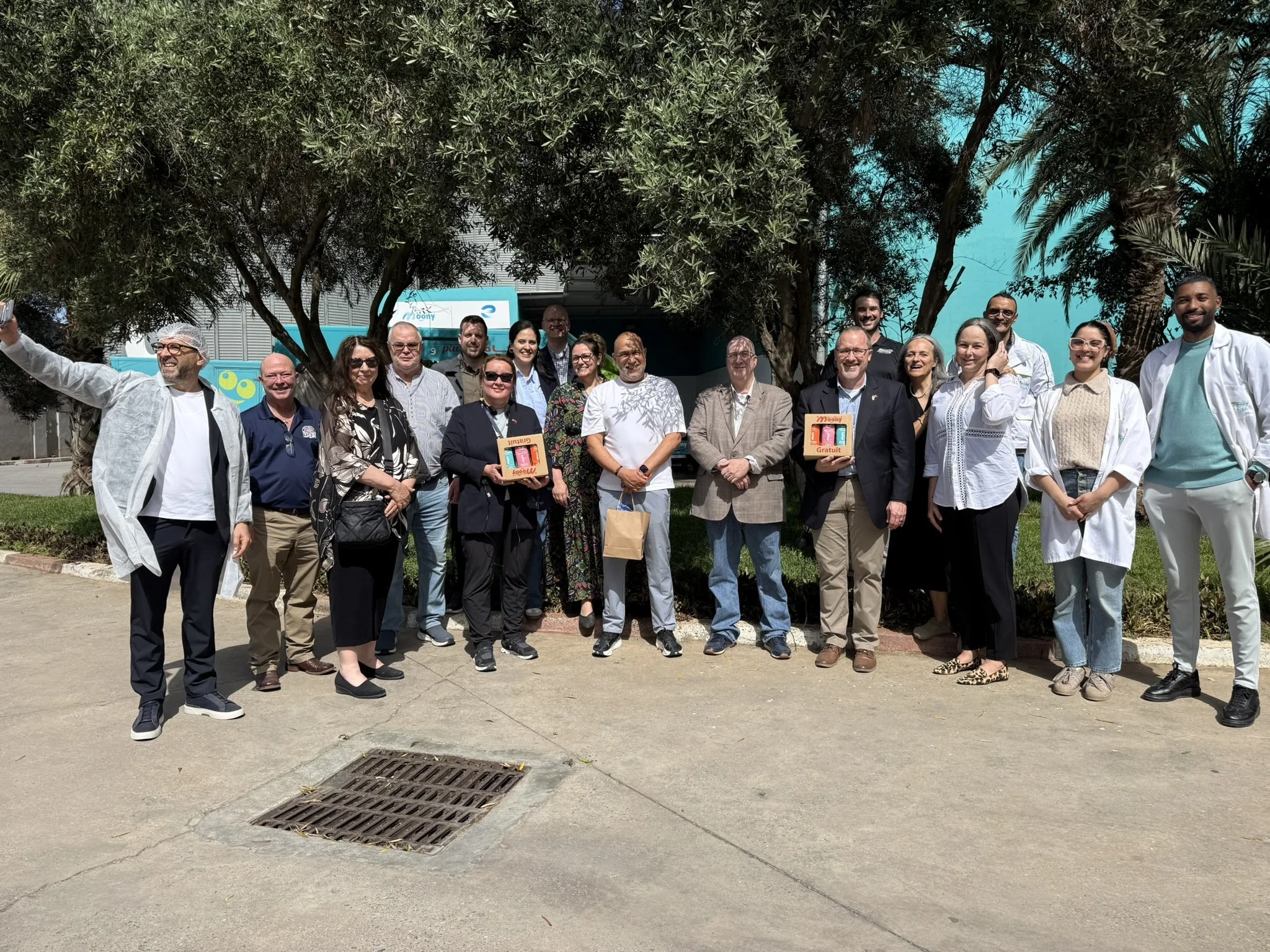
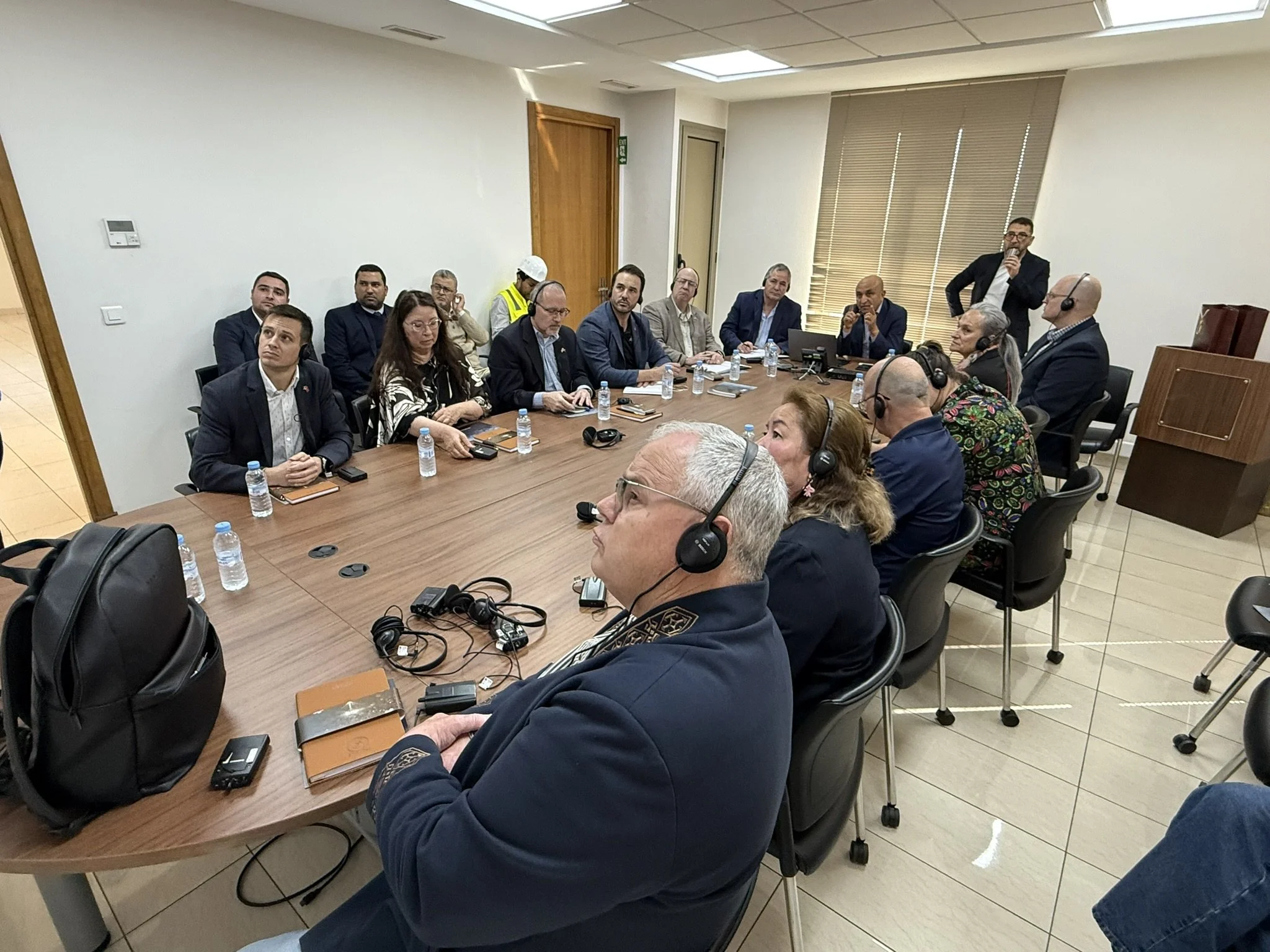
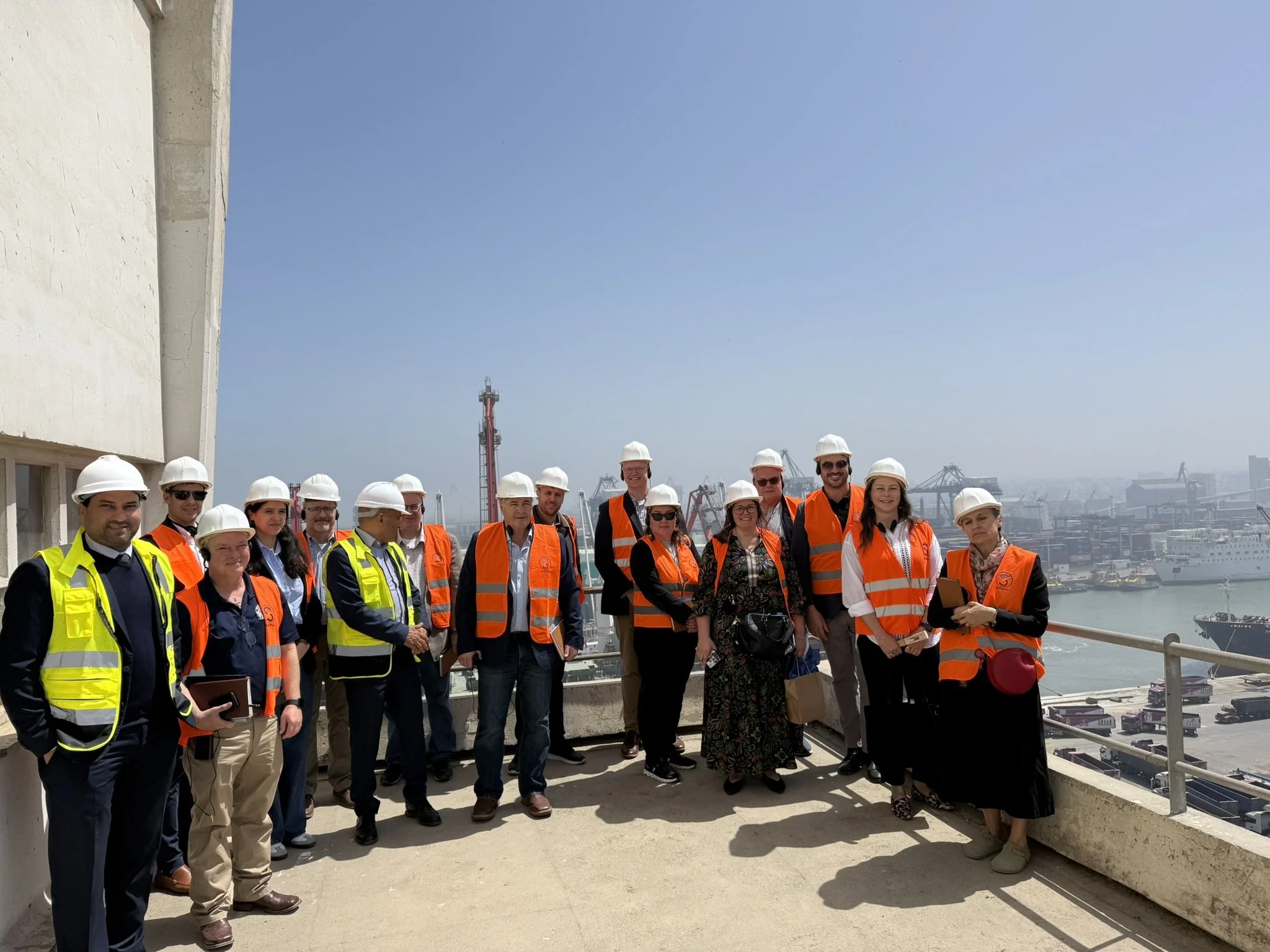
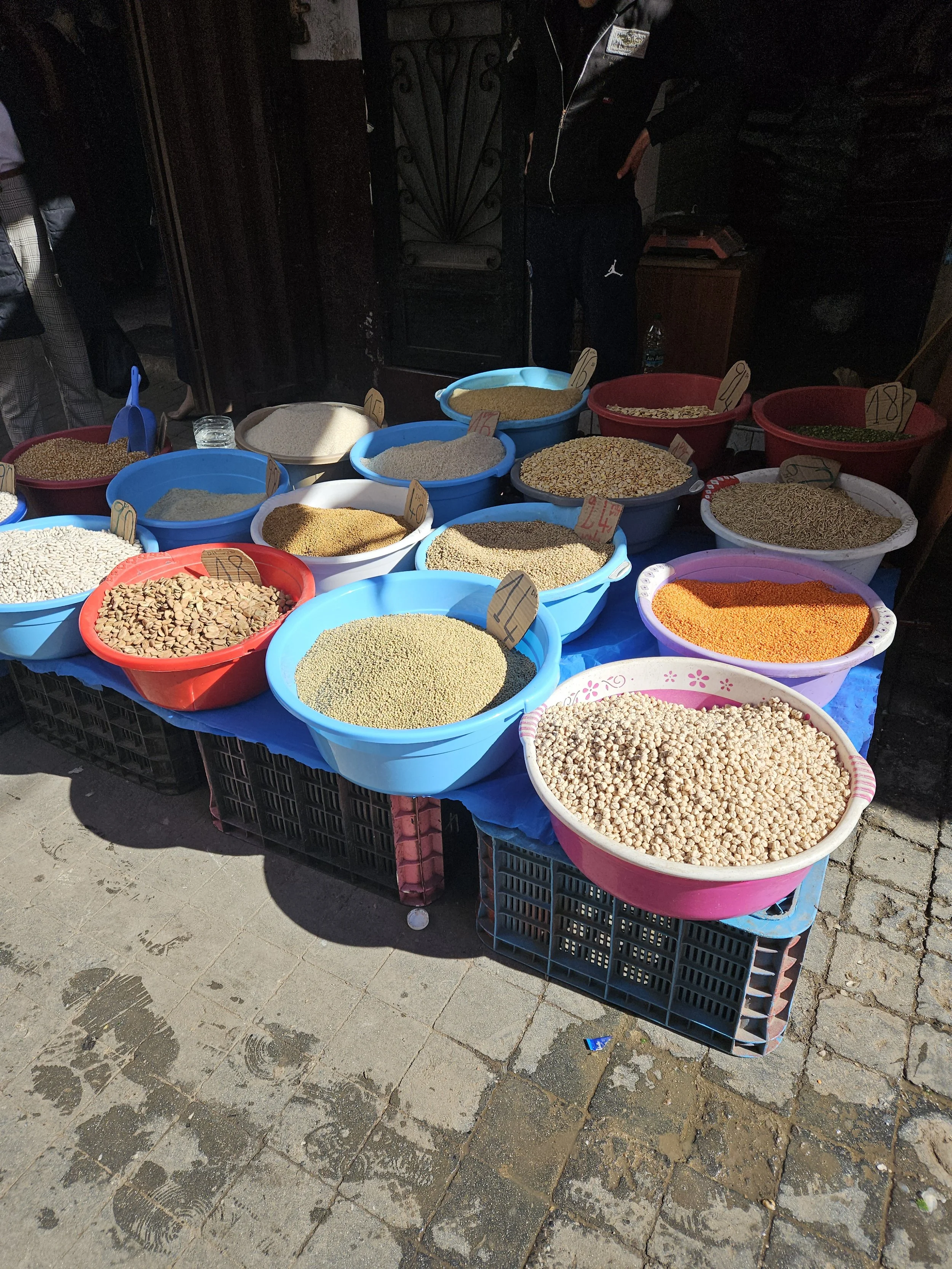
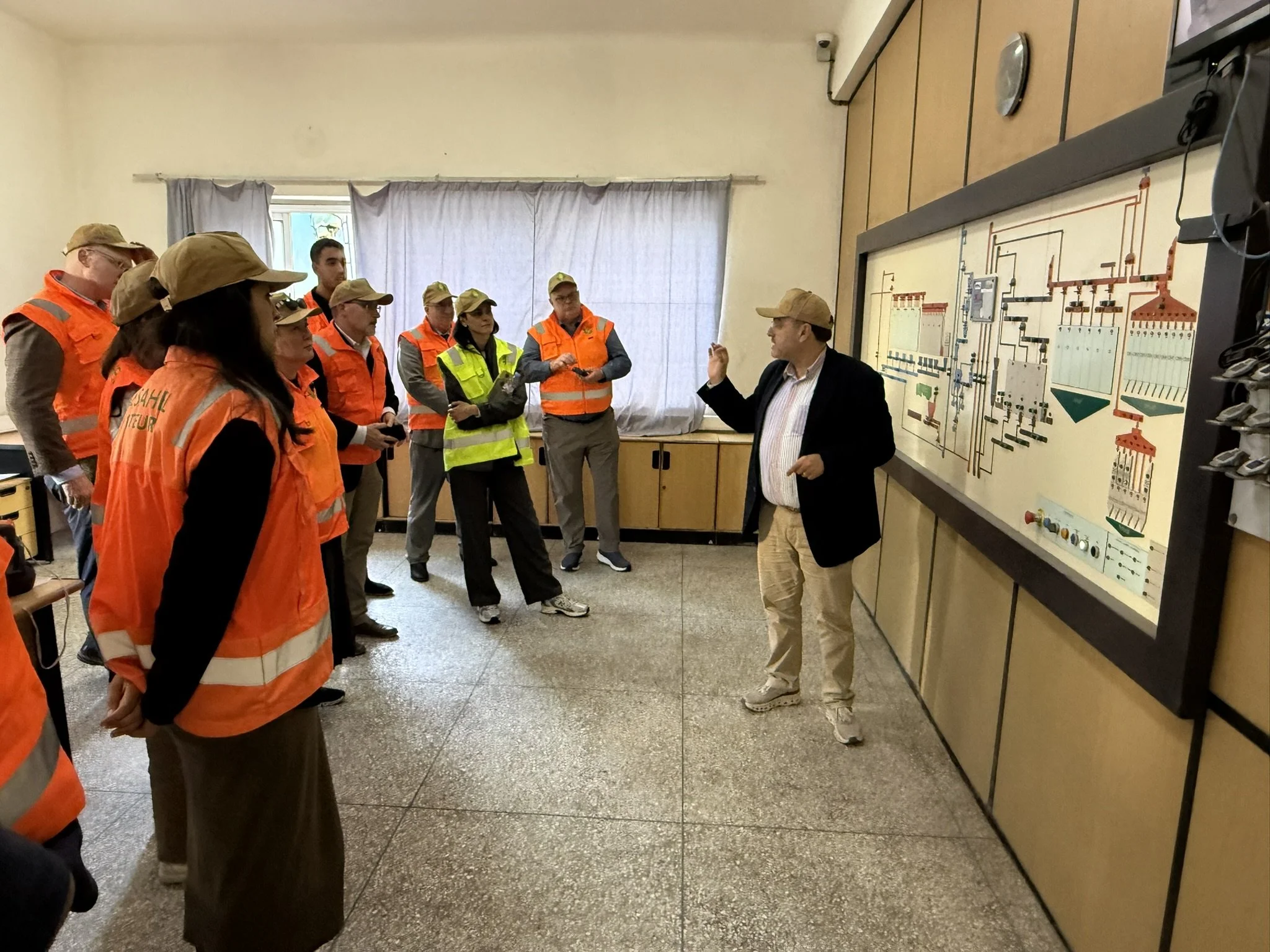
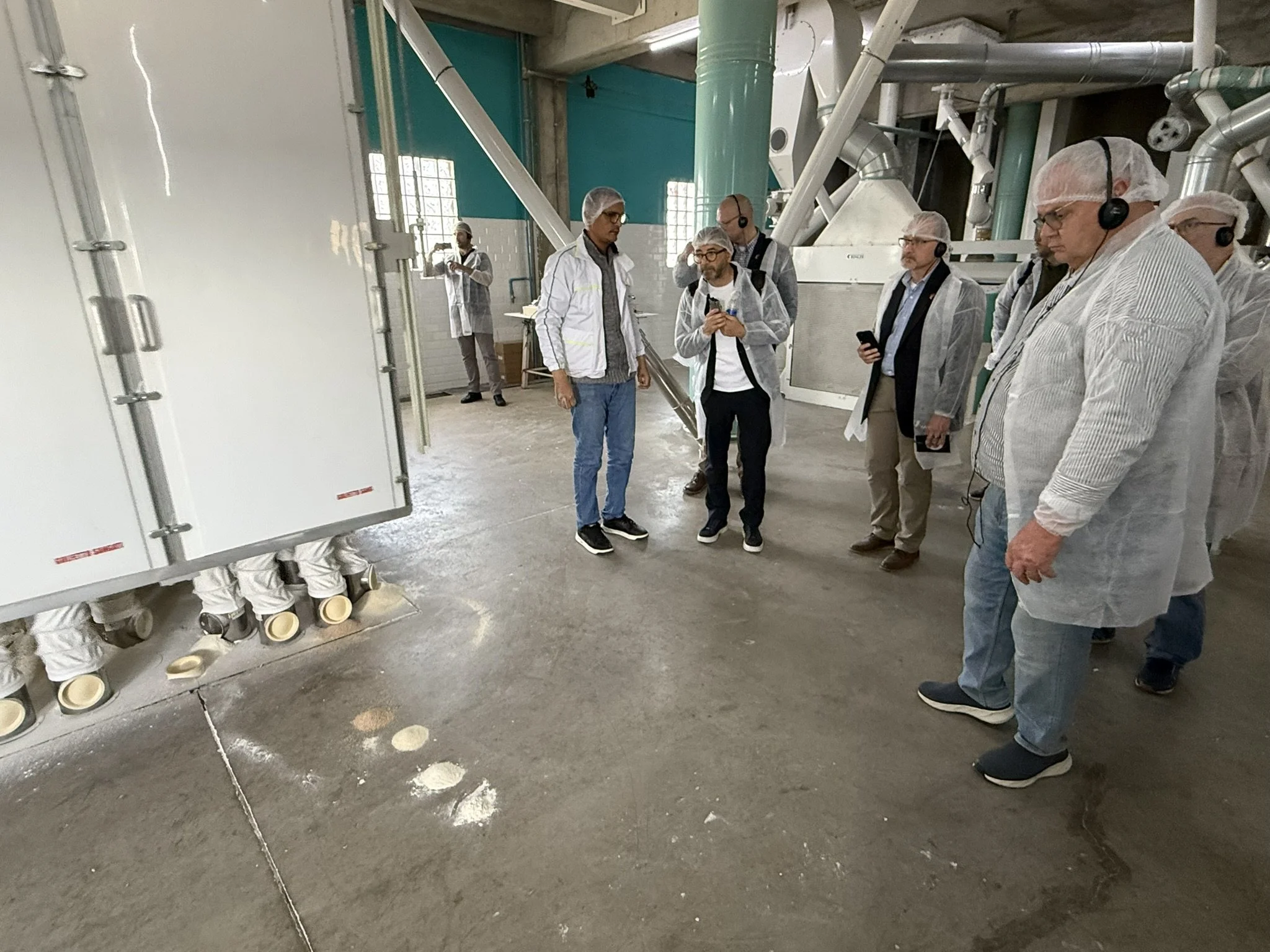
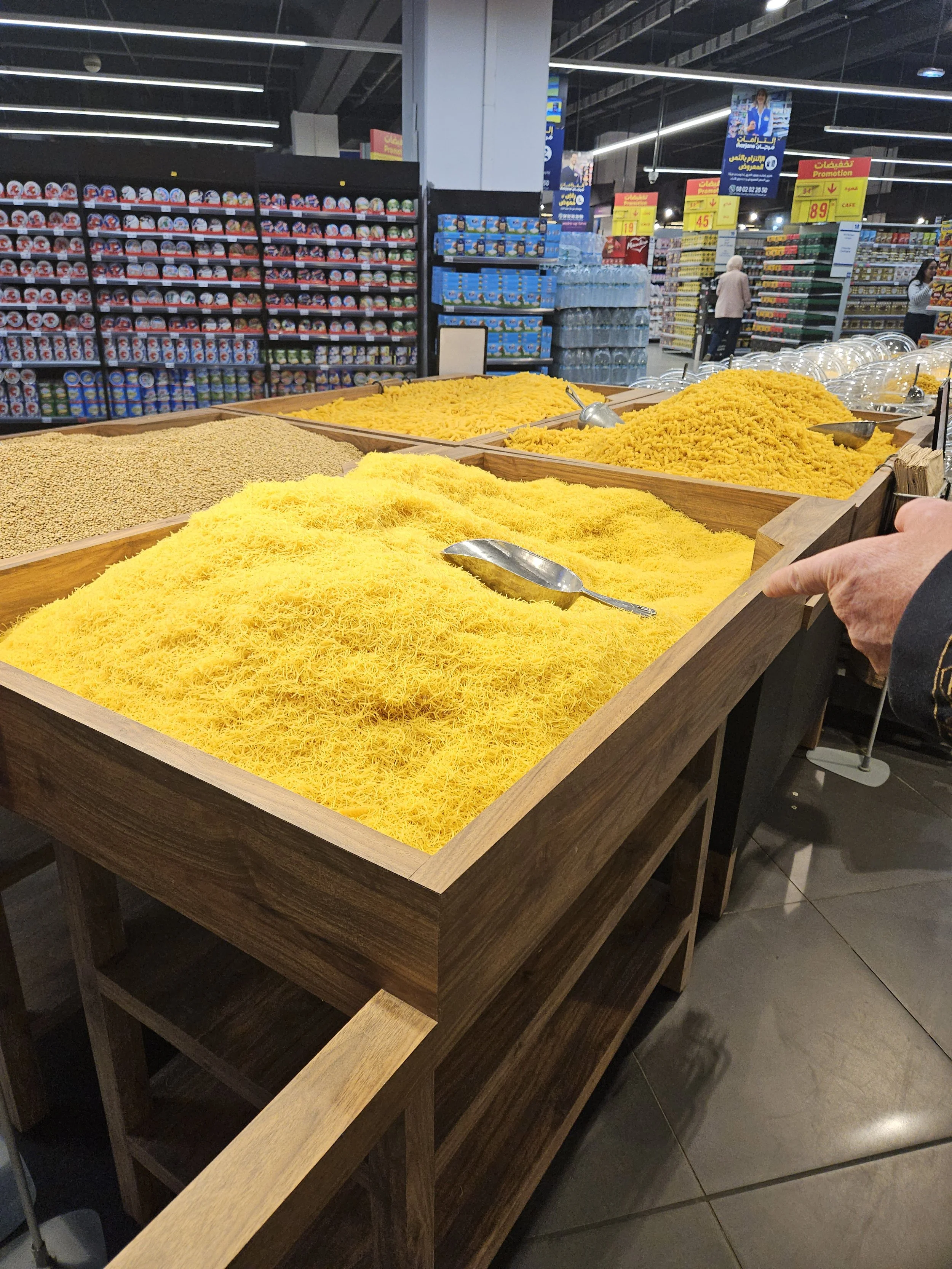
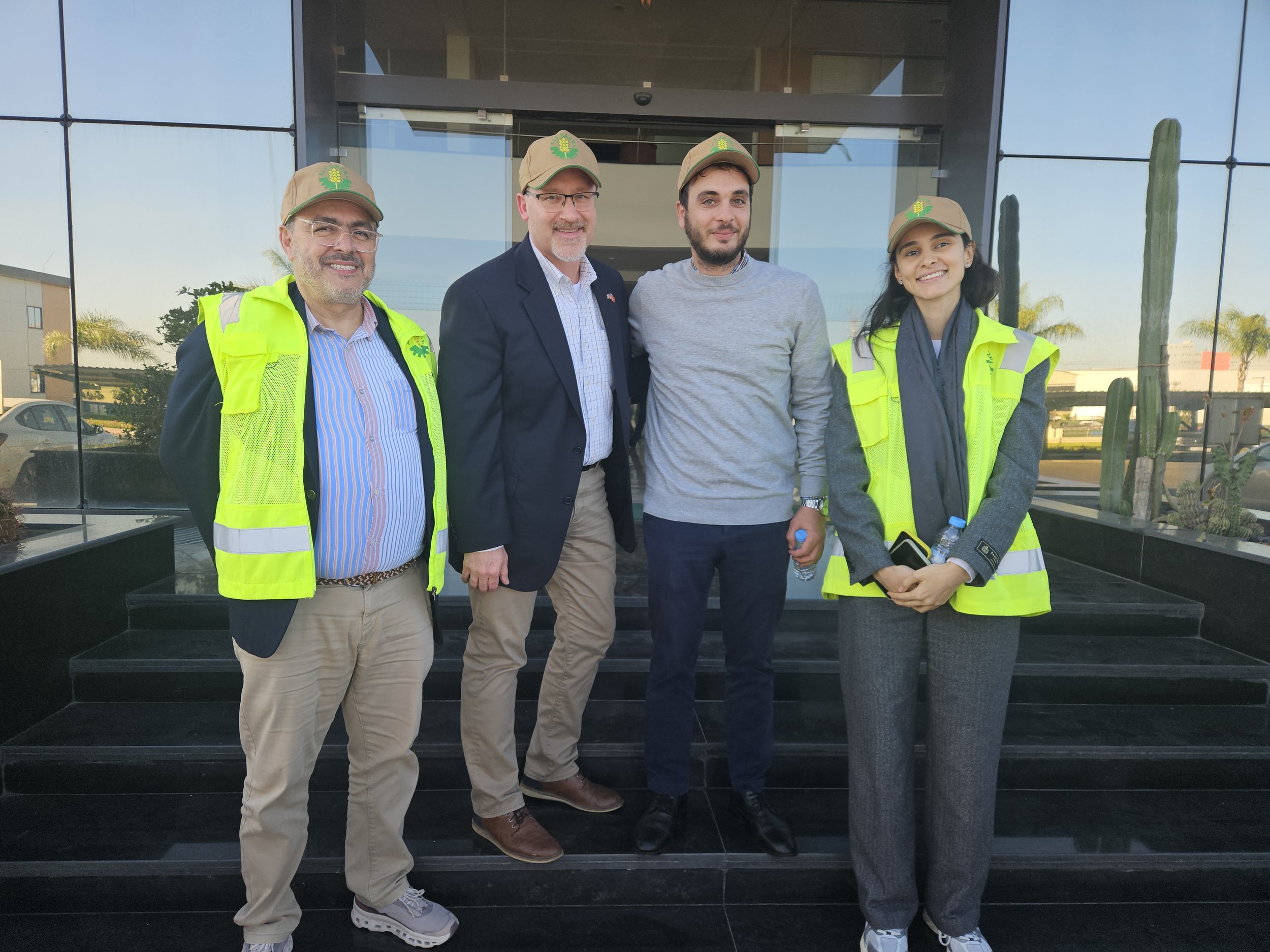
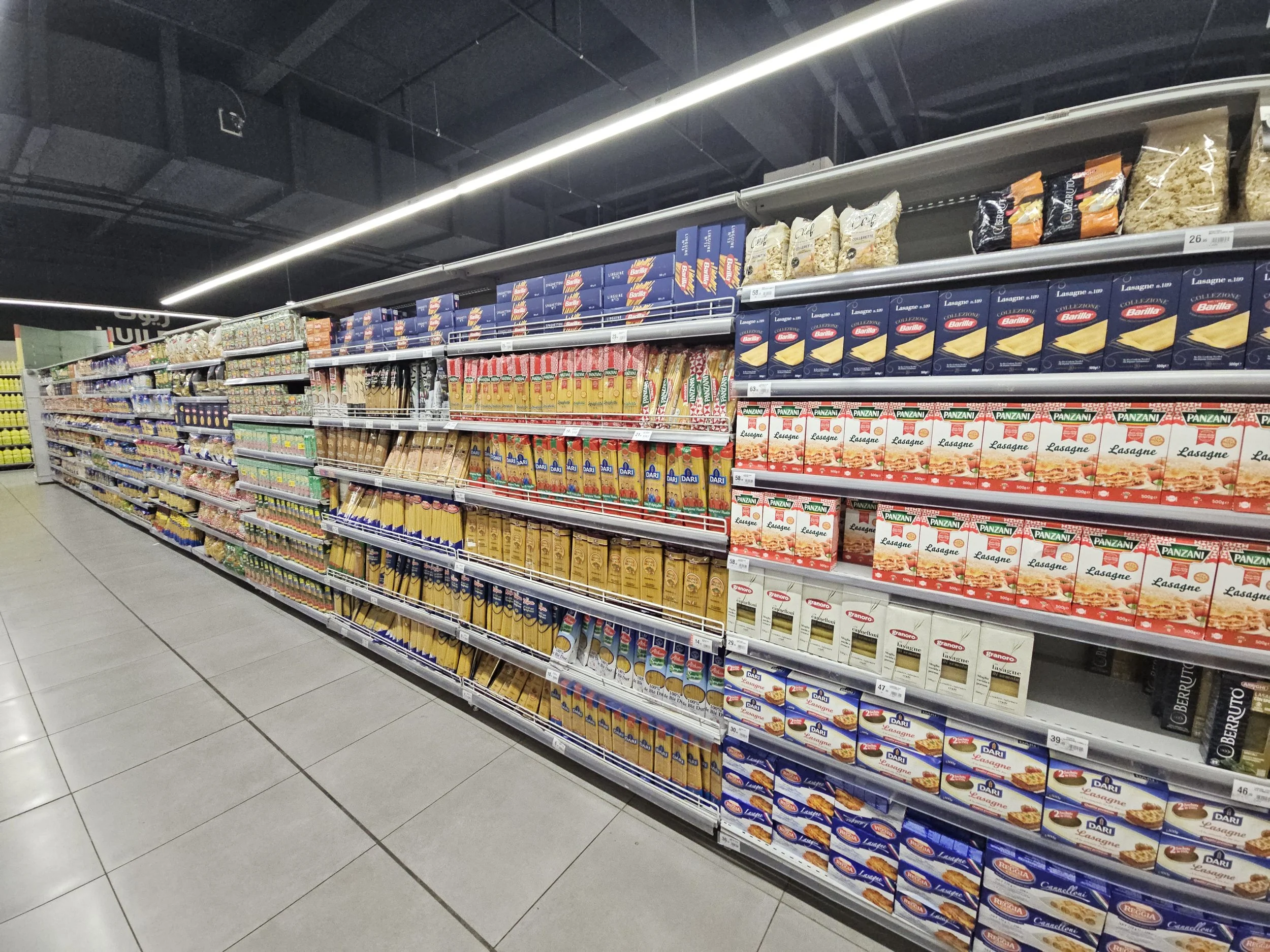
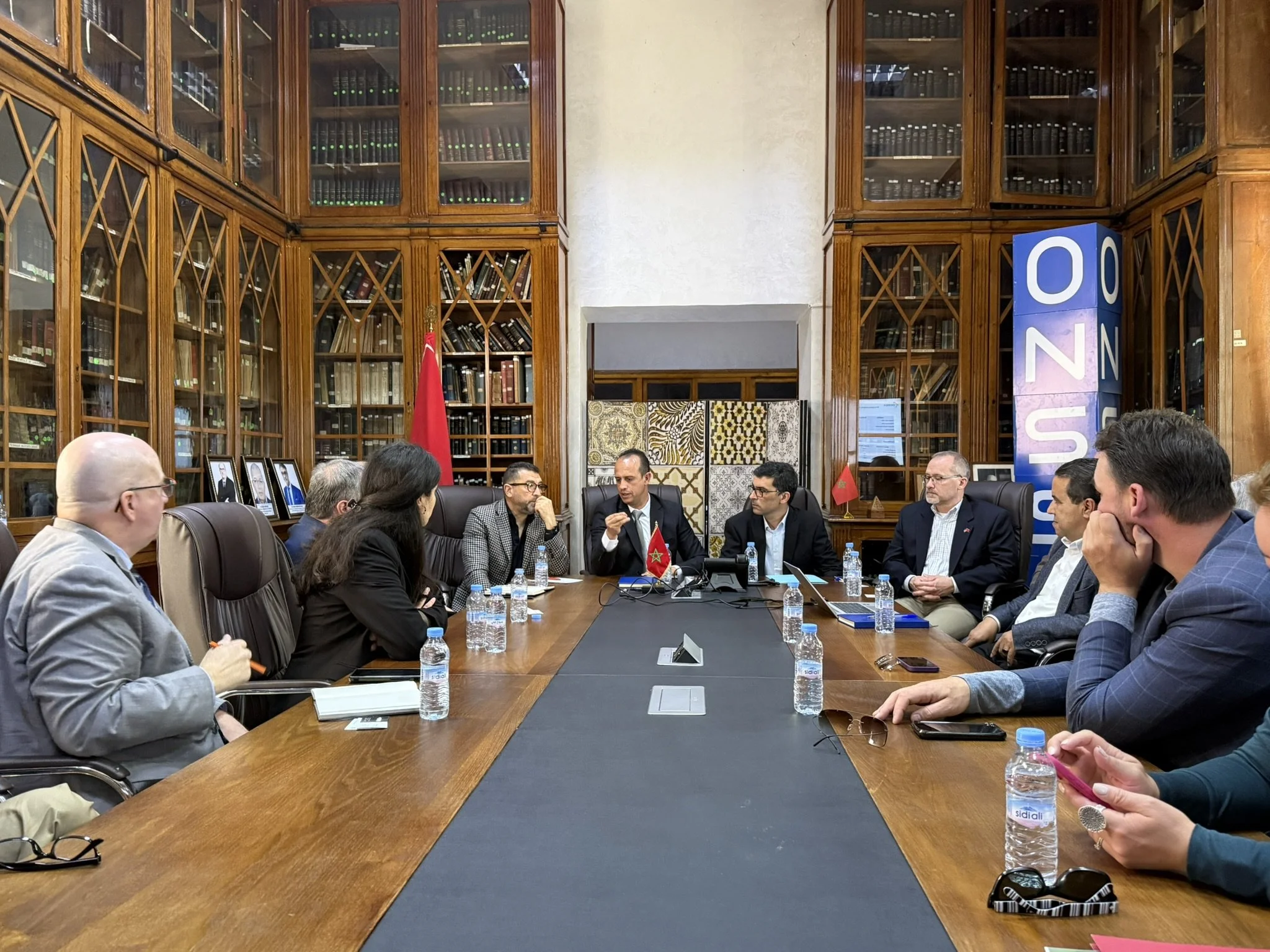
Boehm feels the diversity of crops grown and processed in the region serve NCI well on such trade missions. “Our role in supporting regional ag help us learn who is out there selling and processing commodities. We make a lot of connections, so anything we can do to help support direct sales, is an important part of the NCI mission.” But the highlight for him was to reconnect with NCI course participants. “It’s so good to see friends halfway around the world that know NCI. This shows again the global reach and impact that NCI has,” Boehm said.
He added that Morocco is a great place to visit. “Because of the movie, everyone knows the city of Casablanca, but it really is an amazing country filled with a mix of Mediterranean and African culture, great food, and friendly people that support American trade and tourism.” They learned from multiple sources that tourism is increasing, and this will lead to more consumption of meat and pulses, which should bode will for American agriculture.
Boehm wants to thank not only the ND Dept of Ag and ND Trade Office, but also the commodity groups that helped prepare contacts and provide guidance, such as Northarvest Bean Growers Association, USA Pulses, U.S. Wheat Associates, U.S. Grains & BioProducts Council, and U.S. Soybean Export Council.