
NCI Hosts Grain Procurement Management for Importers Course | September 21–30, 2026
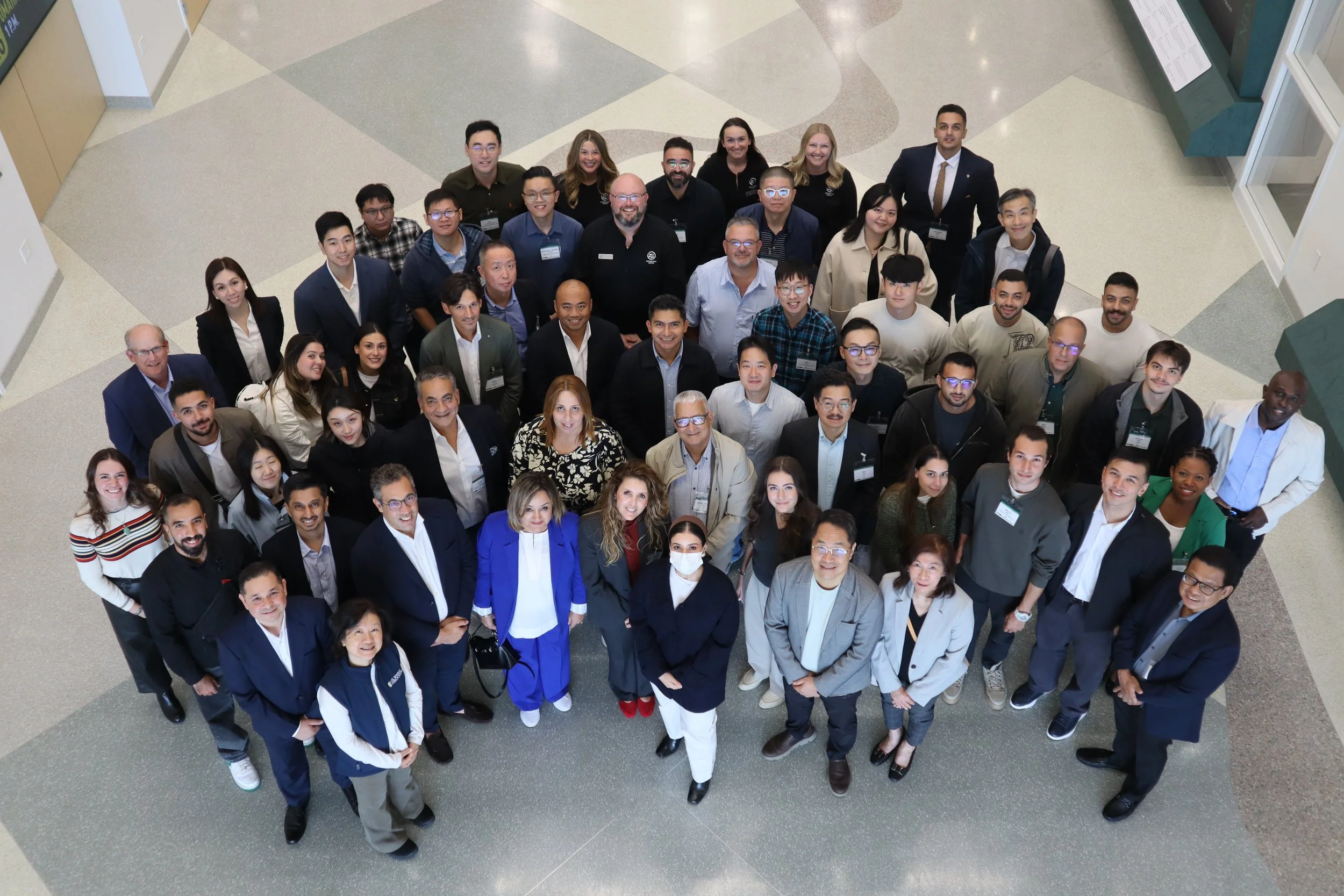
All Participants from 17 different countries at the Peltier Complex in Fargo, ND
The Northern Crops Institute (NCI) hosted its Grain Procurement Management for Importers course from September 21 to 30, 2026, bringing together the largest class in the course’s 43-year history. The ten-day program welcomed 52 participants from 17 countries, creating an international group of grain buyers, millers, feed manufacturers, food processors, and other professionals with an interest in the U.S. grain export system.
Held in Fargo, North Dakota, and New Orleans, Louisiana, the course provided participants with an in-depth look at the mechanics of grain merchandising, cash and futures markets, risk management, grain quality, contracting, trade finance, and the U.S. grain handling and marketing system.
Throughout the course, academic experts and industry professionals shared their knowledge while participants had opportunities to connect with colleagues and grain merchants from across the industry.
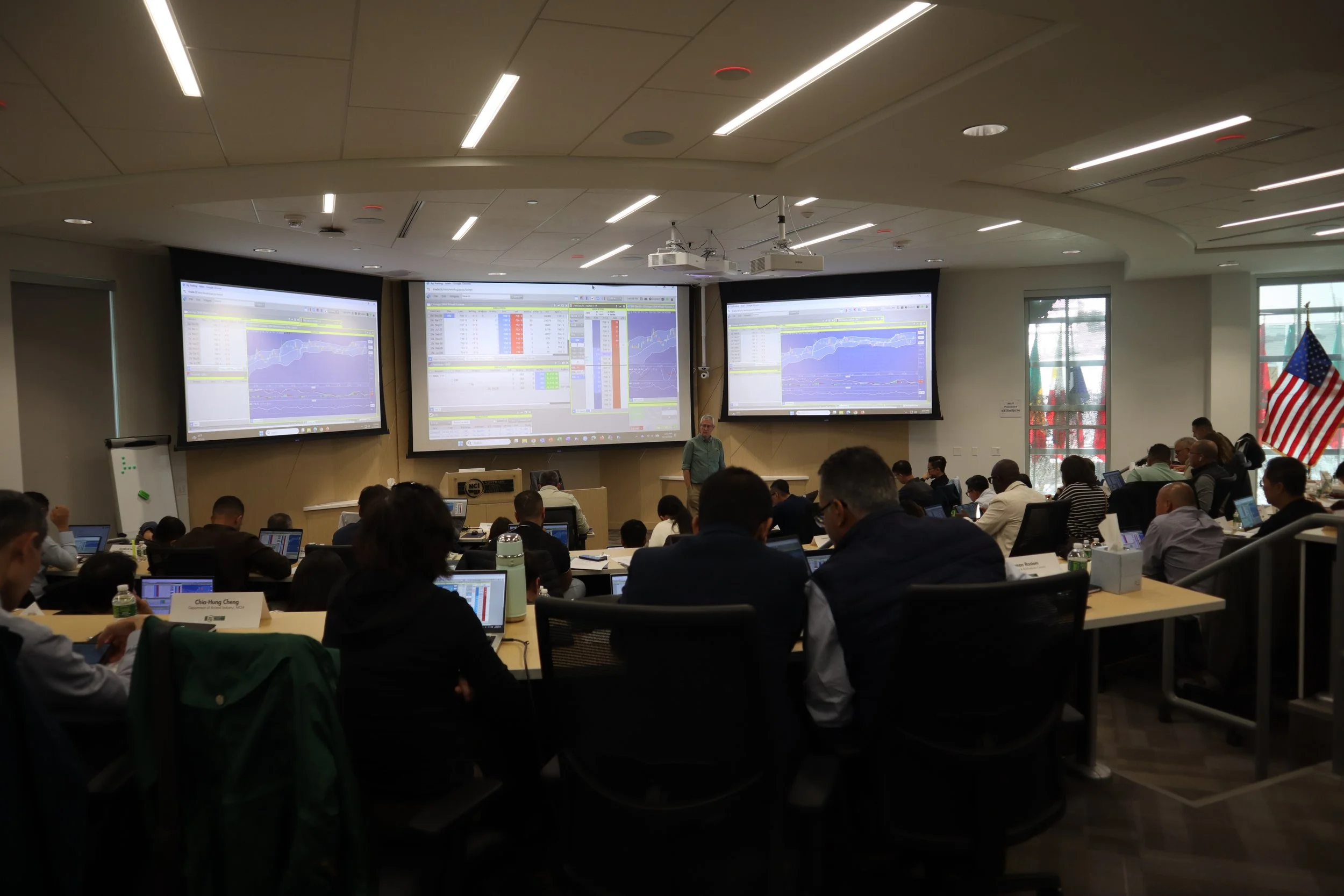
Commodity Trading Game with Dr. Frayne Olson
Building Knowledge and Skills in Fargo
The course opened at NCI in Fargo with a welcome from NCI Director David Boehm and Program Development Manager Dr. Casey Peterson. Participants began with an overview of the U.S. grain export marketing supply chain and inland logistics before moving into the fundamentals of futures markets and a hands-on trading game exercise led by Dr. Frayne Olson, Crops Economist and Marketing Specialist and Director of the Quentin Burdick Center for Cooperatives at North Dakota State University.
Participants practiced trading with live market information, giving them an opportunity to apply concepts from the classroom in a simulated market environment. The trading game continued throughout the week, challenging participants to make procurement and risk management decisions as market conditions changed.
Sessions on basis and spreads, hedging principles, fundamental and technical commodity analysis, and advanced hedging provided participants with tools they could use when evaluating grain purchases and managing price risk.
The Fargo portion also included a case study designed to put participants in the role of grain procurement professionals. Working in small groups, participants considered factors such as price, quality, supply, contracting, and risk before presenting their recommendations at the end of the week.
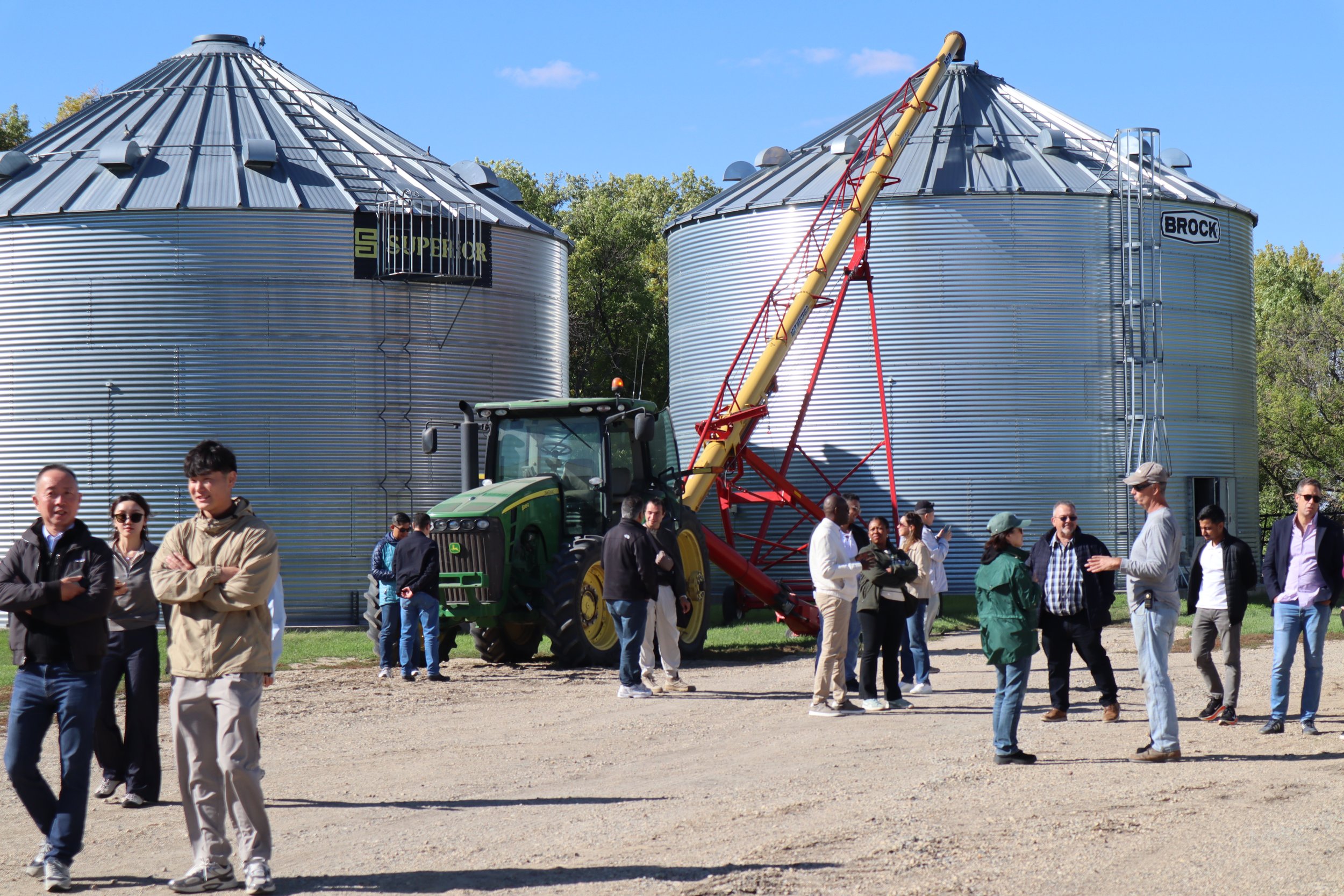
Todd Ellison Farm: Mapleton, North Dakota.
From the Farm to the Grain Market
Participants also had the opportunity to see U.S. agriculture firsthand during a farm tour at Todd Ellison Farm near Mapleton, North Dakota.
The visit provided a look at the production side of the grain supply chain and connected the classroom discussions about markets, supply, quality, and procurement with the realities of U.S. grain production.
Back at NCI, participants continued exploring the factors that influence grain purchasing decisions. Presentations covered U.S. wheat quality specifications, the annual wheat crop quality report, U.S. corn compared with other origins, and DDGS quality and other co-products.
Participants also learned about plant breeding techniques from NDSU wheat breeder Dr. Andrew Green and heard from industry experts about contracting and trade finance, including what makes a company creditworthy when conducting international business.
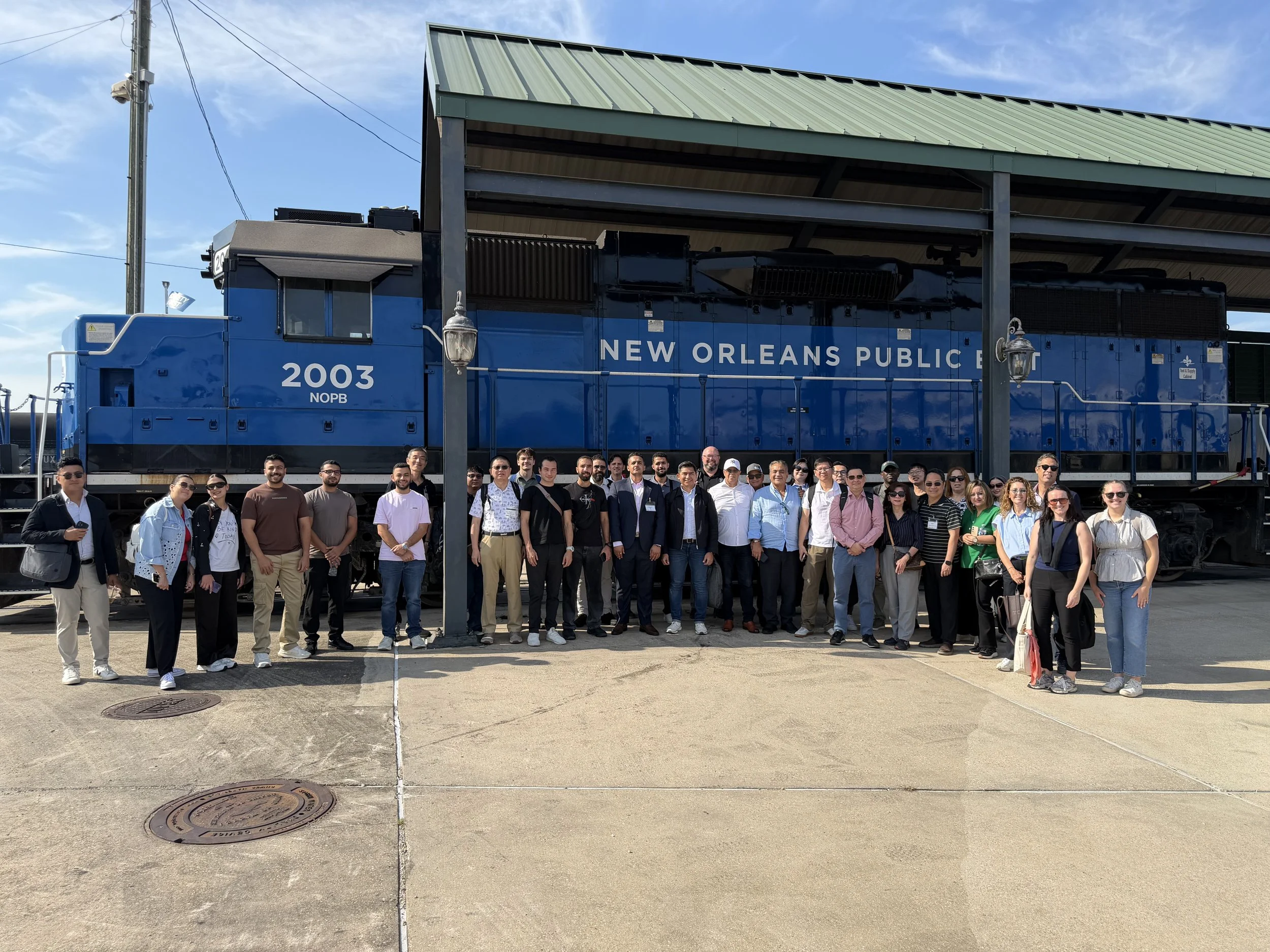
New Orleans Public Belt Railroad
Taking the Course to New Orleans
Following five days of classroom learning and hands-on exercises in Fargo, participants traveled to New Orleans to experience another critical part of the U.S. grain export system: the port.
New Orleans is a major gateway for agricultural exports, making it an ideal location for participants to see how grain moves from inland production areas through the transportation and port systems and ultimately to international customers.
The New Orleans portion began with a visit to the Port of New Orleans, where participants learned about the port's operations and role in international trade. The group also visited the New Orleans Public Belt Railroad.
Participants continued exploring international trade before hearing presentations on geopolitics and U.S. funding for international development projects.
These sessions gave participants a broader perspective on the economic, logistical, and geopolitical factors that influence international agricultural trade.
Seeing the Export System in Action
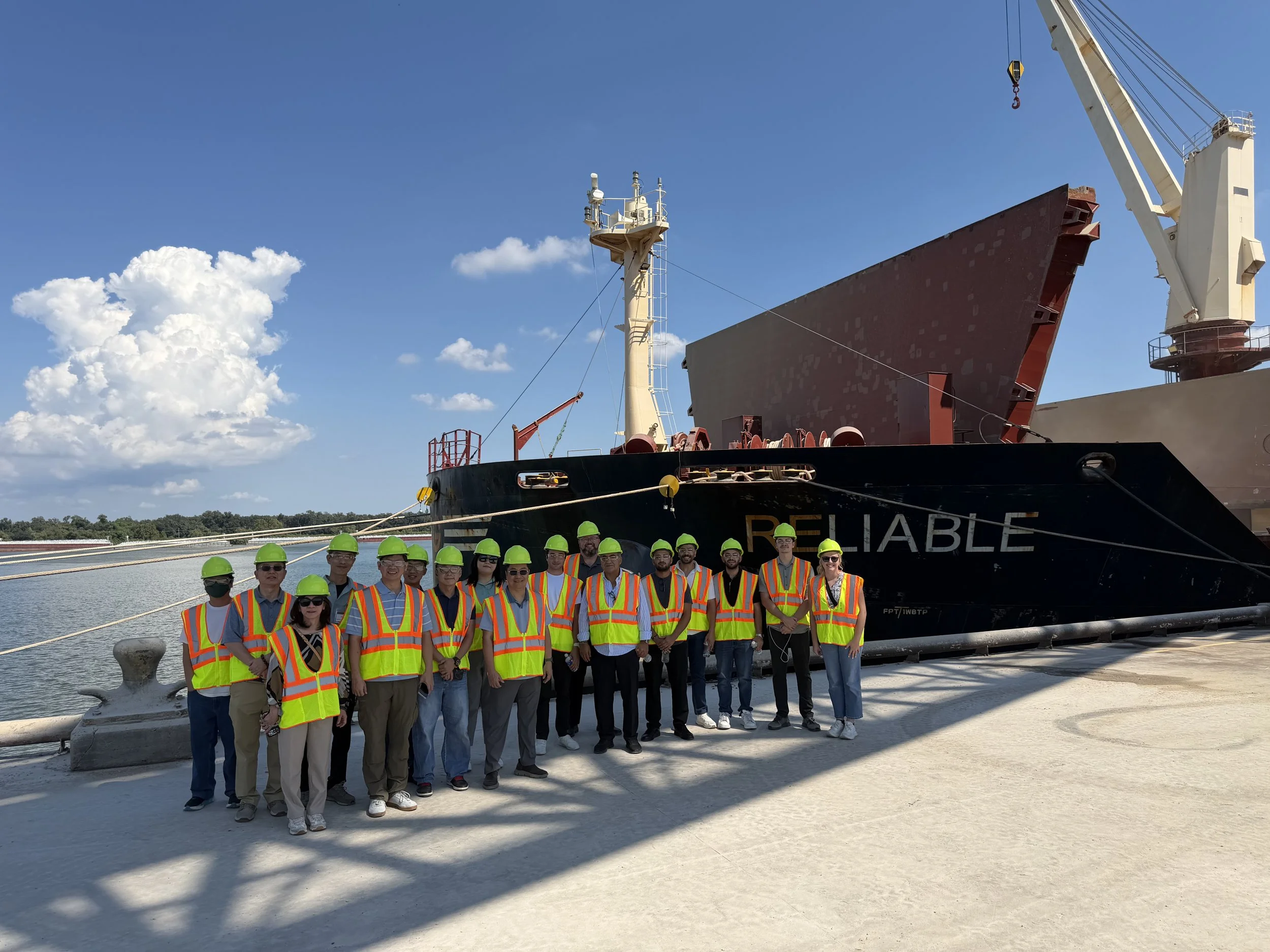
CHS Myrtle Grove in Belle Chasse, Louisiana
The second day in New Orleans focused on the movement and handling of agricultural commodities through marine and terminal operations.
Participants visited Russell Marine Group before traveling to the CHS Myrtle Grove facility in Belle Chasse, Louisiana. At CHS, participants learned about terminal operations and the logistics involved in handling agricultural commodities for export.
The final morning of the course included a visit to Associated Terminals at the St. Bernard Port, providing participants with another perspective on bulk commodity handling and the infrastructure that supports U.S. agricultural exports.
Connecting Global Buyers with the U.S. Grain Industry
With the largest class in the course's 43-year history, the 2026 Grain Procurement Management for Importers course provided a valuable opportunity for professionals from around the world to learn directly from U.S. grain industry experts.
By combining classroom instruction, hands-on trading exercises, a farm tour, commodity-specific discussions, case study activities, and visits to the U.S. export system in New Orleans, the course gave participants a comprehensive look at the journey from U.S. grain production to international markets.
The international makeup of the group also created opportunities for participants to share experiences and perspectives from their own markets, strengthening connections between U.S. grain industry representatives and buyers around the world.
The Grain Procurement Management for Importers course reflects NCI's mission to provide education and training that strengthen relationships between U.S. producers and international buyers while increasing understanding of the U.S. agricultural system.
NCI thanks North Dakota Wheat Commission, Minnesota Wheat Research & Promotion Council, South Dakota Wheat Commission, Montana Wheat & Barley, North Dakota Corn Council, South Dakota Corn Utilization Council, Minnesota Corn Research & Promotion Council, North Dakota Grain Growers Association, U.S. Wheat Associates, U.S. Grains & Bioproducts Council, Port NOLA, and participants for making this program a success.